
Apple Raises Vision Pro Price to $3,699 Amid Wider Hardware Cost Increases
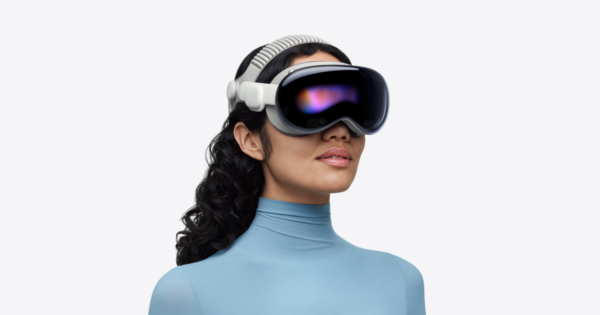
Apple Vision Pro has become more expensive, not less. On June 25, the company increased the starting US price of its mixed-reality headset from $3,499 to $3,699, part of a broader round of price increases affecting numerous Apple hardware lines. For a device already criticized for its high cost, the extra $200 raises an uncomfortable question: how much room is there for premium spatial computing to become even more premium?
According to MacRumors’ account of the changes, the 256GB Vision Pro now costs $3,699, the 512GB model $3,899 and the 1TB model $4,199. These are product prices, not estimates of the full cost of accessories, prescription inserts or other extras an individual buyer may need.
The increases follow a brief interruption to Apple’s online store, after which new prices appeared across large portions of the company’s range.
Memory costs are driving a broad repricing
The central explanation is pressure on memory and storage component costs. Apple chief executive Tim Cook recently told The Wall Street Journal, according to MacRumors, that increases across the lineup had become difficult to avoid. Demand associated with AI data centers has intensified competition for components also used in consumer electronics.
The price changes were not limited to spatial computing. Macs, iPads, Apple TV and HomePod models were among the affected products. MacRumors reported that iPhones, AirPods and several accessories appeared to retain their previous prices, at least in this round.
That distinction matters when interpreting the Vision Pro change. It would be easy to treat a headset price increase as an isolated signal about disappointing VR sales or Apple’s lack of interest in reaching consumers. The wider pattern instead suggests a hardware supply-cost decision spanning products with very different audiences and economics.
Apple has not published a component-by-component breakdown of the Vision Pro increase. It would therefore be speculative to claim that a particular memory chip or manufacturing change accounts for exactly $200 of the new price.
A difficult price point becomes harder
Vision Pro was introduced in the United States in February 2024 at $3,499 for the entry model. Apple refreshed the hardware with an M5 chip and a new headband in 2025 while holding the starting price steady. That means the new increase moves the base model above the figure associated with the product since launch.
For enterprise buyers, developers and wealthy enthusiasts, a $200 difference may be secondary to the device’s total value. Businesses evaluating specialized applications might care more about software compatibility, management features, security and measurable productivity improvements than a relatively small percentage change in equipment cost.
For mainstream consumers, however, the issue is not simply whether $3,699 is affordable. It is whether enough experiences genuinely benefit from Vision Pro’s advanced displays, eye and hand interaction, and immersive presentation to justify spending several times the price of popular standalone VR headsets.
A higher starting price also changes the psychology of comparison. Consumers often assume electronics will become cheaper as products mature. Apple’s decision reverses that familiar trajectory, even if the cause is a market-wide component squeeze rather than an attempt to reposition Vision Pro as a more exclusive product.
The effects on developers and the XR ecosystem
Hardware prices matter to software developers because they influence the number and variety of people who can use an application. A smaller installed audience can make it harder to recover the cost of developing sophisticated spatial experiences, especially content requiring custom interaction design or high-end production.
There is a counterargument. Developers building applications for medicine, engineering, training or visualization may find the headset’s capabilities sufficiently differentiated that price is not the decisive barrier. Some companies can justify specialized hardware if the application solves an expensive real-world problem.
Neither position can be generalized to every Vision Pro user. The consumer entertainment market and professional spatial-computing market respond to costs differently. Apple has not provided enough sales detail in today’s price announcement to show which segment is driving adoption.
What prospective buyers should take from the change
The immediate facts are simple: US list prices have increased, the entry model now costs $3,699, and the move sits within a wider Apple pricing adjustment attributed to rising component costs. The consequences are harder to measure.
For someone already using Vision Pro regularly, the software ecosystem and practical workflow remain more relevant than a revised shelf price. For someone considering a first headset, the case for buying now has become slightly more demanding, particularly if their principal interests are gaming or occasional video viewing.
Apple’s longer-term spatial strategy cannot be read from one price revision. Lower-cost hardware could eventually change the equation, but no such product was announced alongside these increases. The present message is that cutting-edge XR remains exposed to the same supply-chain economics as laptops, phones and servers, and that even a company of Apple’s scale cannot entirely shield a premium headset from those costs.
Related coverage on Virtual Reality Times
- Apple Previews visionOS 27 With Siri AI and Personal Panorama Environments
- Apple Reportedly Cuts Vision Pro Gaming and Immersive Video Teams in Reorganization
- Controlling the Apple Vision Pro Headset With Eyes and Hands
- Apple to Open Several Vision Pro Developer Labs in Multiple Cities To Test Headset
- Apple Vision Pro Headset Details: Specs, Release Date, Price, and More
Sources
https://virtualrealitytimes.com/2026/06/25/apple-raises-vision-pro-price-to-3699-amid-wider-hardware-cost-increases/https://virtualrealitytimes.com/wp-content/uploads/2026/06/vision-pro-price-2026-06-25-600x315.pnghttps://virtualrealitytimes.com/wp-content/uploads/2026/06/vision-pro-price-2026-06-25-150x90.pngAppleBusinessVR HeadsetsApple hardware prices,Apple Vision Pro,memory shortage,mixed reality,Vision Pro priceApple Vision Pro has become more expensive, not less. On June 25, the company increased the starting US price of its mixed-reality headset from $3,499 to $3,699, part of a broader round of price increases affecting numerous Apple hardware lines. For a device already criticized for its high cost,...Virtual Reality Times [email protected]SubscriberVirtual Reality Times
Leave a Reply