
Moss Developer Polyarc Closes After Nearly 12 Years, Ending a Distinctive VR Studio
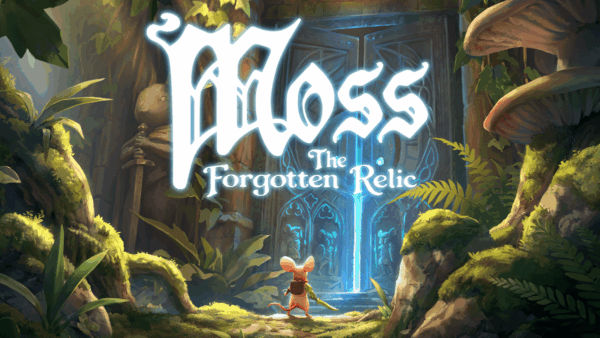
Polyarc, the studio behind the Moss games, has announced that it is closing after nearly twelve years. The September 11 news is another painful development for virtual reality game development, but the loss is especially notable because Polyarc helped show that VR could deliver carefully crafted adventures without relying on first-person shooting or fitness mechanics.
In a statement posted on LinkedIn and covered by Game Informer, the studio said its time together was ending and active development was winding down. Polyarc thanked the people who played its games and shared information intended to help affected employees find other work.
The company did not provide a detailed financial explanation in that farewell message. Industry pressures form important context, but the precise reason for the final decision should not be presented as known without further evidence.
Why Moss stood out
When Moss arrived in 2018, much of consumer VR attention focused on games that placed players directly inside the action. Polyarc chose a different relationship between the player and the world. Players guided Quill, a small mouse adventurer, while also inhabiting the environment as a presence that could look around, manipulate elements and solve puzzles.
That design gave scale a special role. A tiny character exploring ruins and natural surroundings feels different when the player can physically lean closer to inspect the scene. Ordinary details become theatrical sets, and the bond with the protagonist can feel surprisingly personal.
Moss: Book II built on that foundation, continuing Quill’s story and expanding the way players interacted with the world. Together, the games demonstrated that VR’s strongest creative opportunities are not limited to simulating the user’s own body. Immersion can come from the experience of watching over and helping another character.
The approach also made the games accessible to a different audience. A player who finds intense virtual locomotion uncomfortable may still enjoy a more stationary, diorama-like adventure. Polyarc did not eliminate every possible comfort issue, but its design broadened the vocabulary of what a good VR game could be.
The importance of a specialist studio
Building an excellent VR game requires design choices that do not always transfer directly from flatscreen projects. Camera placement, physical scale, puzzle readability, motion comfort and tactile feedback all influence how an experience feels.
Polyarc invested years developing expertise in those problems. Its departure therefore represents more than the disappearance of a brand. The industry loses a team associated with a particular creative philosophy, one that treated VR as a storytelling medium with its own possibilities rather than a display accessory for conventional games.
There is also a commercial reality. Distinctive, polished adventures can require significant development time while serving an audience smaller than that of mainstream console and PC gaming. A critically admired title is not guaranteed to generate enough recurring revenue to support a studio indefinitely.
That is a general industry tension, not a specific financial explanation for Polyarc’s closure. The company has not released figures that allow outsiders to calculate the return on the Moss franchise or attribute the shutdown to a particular product.
What the announcement means for employees and players
The studio’s farewell includes an effort to help developers find new positions. Such outreach reflects the reality behind headlines about companies closing: artists, engineers, designers, producers and other staff must find their next work, often while projects they helped create remain closely associated with their professional identities.
For players, the announcement does not automatically mean every existing Moss purchase will stop working. The status of storefront listings, downloads and ongoing support depends on the relevant publishers, platform operators and product arrangements. Polyarc has not announced a universal shutdown of purchased copies comparable to the closure of an online social platform.
It does mean that fans should not assume the same studio will continue the series or announce a new VR adventure. Any claim about future ownership or revival would require a separate announcement.
A difficult moment for original VR content
VR hardware development often receives the greatest attention, yet headsets are only as useful as the experiences people want to spend time inside. Independent studios have been responsible for some of the medium’s most imaginative work, precisely because they are willing to explore mechanics unfamiliar to traditional game publishers.
When a studio like Polyarc closes, players lose potential future games and the ecosystem loses accumulated expertise. At the same time, the techniques pioneered by successful releases can survive through the developers who move to other projects and the creators influenced by their work.
Polyarc’s legacy is therefore larger than a pair of acclaimed adventures. Moss helped establish that a carefully staged third-person narrative could feel native to VR. It proved that affection for a small character, clever use of perspective and thoughtful interaction could create a powerful sense of presence.
The closure is a genuine loss for the medium. But the design ideas behind Moss remain available to every studio willing to treat virtual reality as more than a screen strapped to the player’s face.
Related coverage on Virtual Reality Times
- VR Games Showcase Reveals System Shock VR, High on Life VR and Total Chaos VR
- Rec Room Shuts Down After a Decade and More Than 150 Million Players
- Virtual Reality Hit Puzzle Game ‘Moss’ Gets New Levels and Story Content for the Oculus Quest May 21 Launch
- Polyarc Announces ‘Moss’ –VR Dungeons and Puzzles
- Visually Stunning Action-Adventure ‘Hubris’ is Coming to PSVR 2 in May
Sources
https://virtualrealitytimes.com/2026/09/11/moss-developer-polyarc-closes-after-nearly-12-years-ending-a-distinctive-vr-studio/https://virtualrealitytimes.com/wp-content/uploads/2026/09/polyarc-closure-2026-09-11-600x338.pnghttps://virtualrealitytimes.com/wp-content/uploads/2026/09/polyarc-closure-2026-09-11-150x90.pngAdventureBusinessGamingMoss Book II,Moss VR,Polyarc closure,VR game studios,VR industryPolyarc, the studio behind the Moss games, has announced that it is closing after nearly twelve years. The September 11 news is another painful development for virtual reality game development, but the loss is especially notable because Polyarc helped show that VR could deliver carefully crafted adventures without relying...Virtual Reality Times [email protected]SubscriberVirtual Reality Times
Leave a Reply