
Meta CTO Bosworth: VR Is “Growing Less Quickly Than We Hoped”
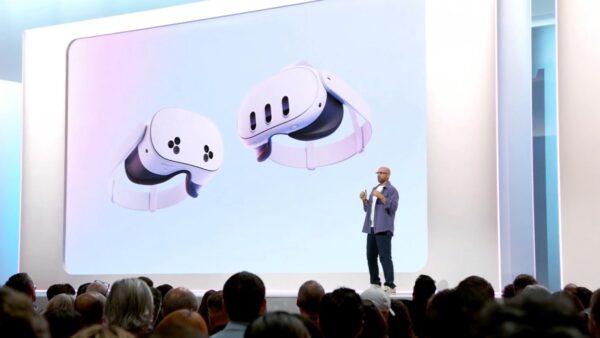
A week after Meta shut three of its VR game studios, the executive in charge of its hardware has offered the clearest explanation yet of why. Speaking in interviews on the sidelines of the World Economic Forum in Davos this week, Meta chief technology officer Andrew Bosworth said plainly that virtual reality has not grown at the pace the company expected, and that Meta is now reshaping its spending around that reality.
“VR is growing less quickly than we hoped,” Bosworth told Alex Heath, according to Heath’s Sources newsletter. He added that when that happens, “you want to make sure that your investment is right-sized.”
It is an unusually blunt admission from Meta, which has spent years presenting Quest as the foundation of a coming computing platform.
What Bosworth said
Bosworth’s comments came in at least two conversations this week. Besides the Heath interview, he appeared on stage with Axios chief technology correspondent Ina Fried at Axios House in Davos, where much of the discussion focused on AI spending.
When the subject turned to VR, Bosworth described a strategy split into two narrower bets. On headsets, he said Meta will “let VR be what it is, what it does,” and put much more emphasis on the third-party content library rather than its own productions. On the metaverse, he said Meta’s social platform, Horizon, is now being built first and foremost for phones.
He also acknowledged a cost to the approach Meta took over the past few years. Tying Horizon Worlds tightly to the Quest experience, he told Fried, meant a “lack of focus” that “comes at an expense of user experience and a great expense in terms of development cost.”
That remark will resonate with Quest owners who have complained for years that Horizon content was pushed to the front of the headset’s menus and store at the expense of games and apps they actually wanted.
Horizon goes mobile-first
Bosworth’s case for the shift is simple: building every Horizon feature twice, once for phones and once for headsets, is expensive, and the phone version is where the users are.
“For us, we’re seeing tremendous growth of our metaverse on mobile,” he told Fried. He said Meta has spent the past year pivoting Horizon toward the mobile market and that the change is “going really well.” Meta has not published user numbers for the mobile version of Horizon Worlds, so that claim cannot be independently checked.
The move puts Horizon in more direct competition with Roblox and Fortnite, both of which built their audiences on phones, consoles and PCs rather than headsets.
The cuts behind the comments
Bosworth was explaining a run of decisions made over the past ten days. On January 13, Meta confirmed it was closing Twisted Pixel, Sanzaru Games and Armature Studio, the developers behind Deadpool VR, Asgard’s Wrath and the Quest version of Resident Evil 4. Reports put the layoffs at around 10% of Reality Labs, which CNBC said meant more than 1,000 jobs. Meta also stopped making new content for its Supernatural fitness app.
Later in the week, Meta said it would discontinue Horizon Workrooms, its VR meeting app, as a standalone product on February 16, according to Road to VR. The company is also winding down its business-focused headset sales and managed services program, which had been aimed at companies deploying Quest headsets to staff.
In its official statement on the cuts, Meta said it was “shifting some of our investment from Metaverse toward AI glasses and Wearables.” Bosworth’s remarks this week fill in the reasoning: headsets are not growing fast enough to justify the old level of spending, while glasses are selling well.
Is Meta still building headsets?
Bosworth’s interviews were not a farewell to VR. He told Heath the company is still investing heavily in the space, and nothing he said this week suggested Meta is leaving the headset business. Meta continues to sell Quest 3 and Quest 3S, and it has not announced any change to its hardware roadmap.
What has changed is the role Meta plays. For several years, the company acted as both platform owner and the biggest funder of premium VR games. With three major studios closed and Bosworth pointing to third-party developers as the focus, Meta appears to be stepping back toward a more traditional platform role: run the store, ship the hardware, and rely on outside studios for much of the content.
Reading between the lines
Two things stand out from this week’s comments.
First, Meta is now willing to describe VR’s slow growth on the record. That matters for developers deciding whether to keep building for Quest, and for investors who have watched Reality Labs lose tens of billions of dollars since 2021.
Second, the phrase “right-sized” suggests Meta sees the cuts as a correction rather than an exit. The company is not abandoning a platform with millions of active headsets, but it is clearly no longer betting that VR alone will carry its long-term hardware ambitions.
The next data point arrives soon. Meta reports its fourth quarter and full-year 2025 results next week, and investors will be watching for any guidance on how much Reality Labs will spend, and lose, in 2026.
Related coverage on Virtual Reality Times
- Meta Cuts About 10% of Reality Labs and Closes Three VR Game Studios
- Meta Separates Horizon Worlds From Quest, Bets on Third-Party VR Developers
- Andrew Bosworth: Oculus Quest is Close to an ‘iPhone Moment’
- Meta’s Reality Labs Posted $3.99 Billion First Quarter Loss
- Meta’s Reality Labs Lost $13.7 Billion in 2022
Sources
https://virtualrealitytimes.com/2026/01/22/meta-cto-bosworth-vr-is-growing-less-quickly-than-we-hoped/https://virtualrealitytimes.com/wp-content/uploads/2026/01/bosworth-vr-growth-2026-01-22-600x338.jpghttps://virtualrealitytimes.com/wp-content/uploads/2026/01/bosworth-vr-growth-2026-01-22-150x90.jpgBusinessMetaAndrew Bosworth,Horizon Worlds,Meta,Meta Quest,Reality LabsA week after Meta shut three of its VR game studios, the executive in charge of its hardware has offered the clearest explanation yet of why. Speaking in interviews on the sidelines of the World Economic Forum in Davos this week, Meta chief technology officer Andrew Bosworth said plainly...Virtual Reality Times [email protected]SubscriberVirtual Reality Times
Leave a Reply