
Google Says Fixing Galaxy XR Slowdowns Is “Absolute Top Priority” After Android XR Update
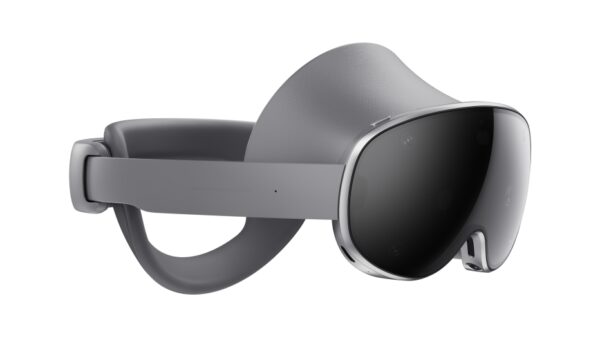
Owners of Samsung‘s Galaxy XR headset have spent the past few weeks dealing with a problem that gets worse the longer they play. After installing April’s Android XR system update, users report that the headset gradually slows down until menus and apps barely respond. Google has now acknowledged the issue publicly and says a fix is its team’s “absolute top priority.”
The acknowledgement did not come through a blog post or support page. Google replied directly to owners in a thread on Reddit’s Android XR community, according to SamMobile’s report, confirming that the Android XR team is aware of the problem and working on it. Google has not said when a patch will arrive.
What owners are seeing
The complaints follow a consistent pattern. The headset behaves normally when first put on, then starts to degrade after roughly 20 to 30 minutes of continuous use. Animations stutter, input lags and, in the worst cases, the interface slows to what several users describe as a slideshow. Some report freezes that force them to take the headset off and restart it.
Many of the reports come from people streaming PC VR games, a demanding workload that pushes the headset harder than browsing or watching video. But the problem does not appear to be limited to gaming. Android Authority, which reported on the complaints, cited at least one owner who said the slowdown happens regardless of what the headset is being used for.
Community members have suggested a memory leak as the likely cause, meaning a piece of software keeps claiming system memory without releasing it, leaving less and less for everything else until performance collapses. That would fit the pattern of a headset that works fine at first and falls apart over time. However, the diagnosis comes from users, not from Google. The company has not publicly confirmed what is causing the slowdown, and its reply did not describe the bug in technical terms.
What Google said
Google’s response was brief. A representative for the Android XR team told owners in the Reddit thread that the team knows about the issue and is treating a fix as an absolute top priority. The reply did not include a timeline, a list of affected builds or any official workaround.
Responding on Reddit is a direct way to reach the enthusiasts most likely to be affected, and it is common for platform teams to do so during the early life of a product. It also means owners who do not follow the subreddit may not know the problem has been acknowledged at all. The acknowledgement also stops short of a formal support notice.
Should you hold off on the update?
For Galaxy XR owners who have not yet installed the April update, the cautious approach is to wait. SamMobile advises holding off if the option is still available, since the problem appears to have been introduced by the update itself.
For those who already updated, there is no official fix yet. Restarting the headset should temporarily clear whatever is building up in memory, if users are right about the cause, but that is a stopgap rather than a solution. Owners who use the headset for long sessions, such as PC VR gaming or extended media viewing, are the most likely to run into trouble before a patch arrives.
It is worth noting that the bug appears to be new. SamMobile said its own review of the headset did not encounter these stability issues, which suggests the slowdown was introduced with the April release rather than present since launch.
Why it matters for Android XR
Galaxy XR is the first headset built on Android XR, the platform Google developed with Samsung and Qualcomm as its answer to Apple’s visionOS and Meta’s Horizon OS. It went on sale in the US last October at $1,799, positioning it as a premium device for productivity, media and AI features built around Google’s Gemini assistant.
At that price, buyers expect polish. Platform updates are how Google adds features and fixes problems, and an update that leaves the headset worse than before undermines confidence in that process. Android XR is also meant to underpin a wider family of devices, including smart glasses from Samsung and other partners, so how quickly Google can respond to a bug like this is a useful early test of the platform’s software pipeline.
The April release also brought new features, including Android Enterprise support aimed at business customers, which makes a regression this visible more frustrating for early adopters who bought into the platform.
Google’s public acknowledgement is at least a sign that the problem is being taken seriously. What Galaxy XR owners need now is a date, and so far the company has not offered one. When Samsung introduced Galaxy XR, it pitched the headset as the start of a new platform. The next update will show how quickly that platform can fix its own mistakes.
Related coverage on Virtual Reality Times
- Google and Samsung Show Gemini Smart Glasses at I/O, With Audio Models Due This Fall
- Samsung Shows New Android XR Smart Glasses Designs With Google and Eyewear Partners
- Google Hints Samsung’s AR/VR Headset Could Be Revealed ‘Later This Year’
- Samsung to Build Its own Metaverse Hardware in Partnership with Google and Qualcomm
- Samsung Expected to Launch a Mixed Reality Headset in 2023
Sources
https://virtualrealitytimes.com/2026/04/22/google-says-fixing-galaxy-xr-slowdowns-is-absolute-top-priority-after-android-xr-update/https://virtualrealitytimes.com/wp-content/uploads/2026/04/galaxy-xr-slowdown-2026-04-22-600x337.jpghttps://virtualrealitytimes.com/wp-content/uploads/2026/04/galaxy-xr-slowdown-2026-04-22-150x90.jpgGoogleMixed RealitySoftwareAndroid XR,bug,google,Samsung Galaxy XR,software updateOwners of Samsung's Galaxy XR headset have spent the past few weeks dealing with a problem that gets worse the longer they play. After installing April's Android XR system update, users report that the headset gradually slows down until menus and apps barely respond. Google has now acknowledged the...Virtual Reality Times [email protected]SubscriberVirtual Reality Times
Leave a Reply