
Apple Previews visionOS 27 With Siri AI and Personal Panorama Environments
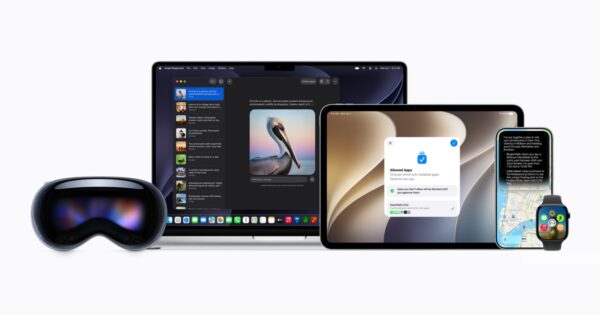
Apple used its WWDC26 keynote on June 8 to make a familiar argument about Vision Pro: the future of spatial computing will be shaped as much by software as by the headset itself. The company previewed visionOS 27, introducing a more capable Siri, new ways to turn personal photographs into immersive surroundings, and refinements to working with windows and digital content in physical space.
The update is being offered to developers in beta, with a broader release planned for the fall. It arrives at a time when the Vision Pro’s premium price and relatively specialized audience have prompted questions about how quickly Apple’s headset platform can grow.
Rather than announcing a new headset, Apple concentrated on making the existing experience more useful. That distinction matters: an expensive spatial computer needs everyday reasons to be worn, not just visually impressive demonstrations.
Siri becomes part of the room
The centerpiece is Siri AI, Apple’s newly redesigned assistant powered by its next generation of Apple Intelligence. According to the company’s WWDC announcement, Siri can use personal context, understand content visible on a screen, search for information and perform actions across applications.
On Vision Pro, the physical setting adds another dimension to those capabilities. A user may be able to look toward an object and ask Siri about it, or request help with a document without leaving the spatial workspace. Apple is also introducing a dedicated Siri app that lets conversations be revisited across its devices.
The opportunity is straightforward. A conventional assistant makes users translate their intentions into spoken commands. A context-aware spatial assistant could understand which application, object or task the wearer is referring to. Apple is presenting that as a route to less cumbersome interaction, although actual reliability will need to be judged in everyday use.
There are limits to today’s announcement. Apple has discussed geographic and language restrictions for advanced intelligence features, and previewed functionality should not be confused with something available to every Vision Pro owner immediately. Some features may change during testing.
A panorama becomes a personal Environment
One of visionOS 27’s more evocative additions lets people transform panoramic photographs into spatial scenes and use them as custom Environments. Rather than selecting only a destination chosen by Apple, users will be able to bring a favorite landscape or place from their own photo library into their headset.
That could make immersive backgrounds feel less like technology showcases and more like personal spaces. A photograph from a trip, for example, might become the setting for reading, watching video or arranging work windows. The source image still imposes obvious limits: a panorama is not a full volumetric capture of a location, and Apple’s demonstration does not establish that users can walk freely through a reconstructed scene.
The distinction is important because spatial computing marketing often blurs the line between viewing a convincing scene and interacting with a physically modeled environment. The value here may be emotional familiarity and customization rather than a breakthrough in three-dimensional reconstruction.
Practical changes for work and navigation
Apple also highlighted improvements that are less dramatic but potentially more useful over time. A revised window system adds curvature options; Control Center receives a redesign; notifications can be expanded using eye input; and Apple Maps gains enhanced Flyover features. The update also includes a workflow for bringing 3D models from a Mac into the surrounding space for previewing and editing.
That last capability points toward one of Vision Pro’s more credible professional uses. Designers, architects and people working with three-dimensional assets can benefit from examining scale and spatial relationships without relying entirely on a flat monitor. The challenge remains making that process sufficiently fast and comfortable to justify putting on the headset.
Apple’s wider ecosystem is another advantage. A person already working with a Mac, photos, messages and Safari may value continuity more than a standalone immersive application. However, deeper integration also makes the Vision Pro experience especially dependent on Apple’s software decisions and developer support.
What visionOS 27 says about Vision Pro’s future
The announcement is not a promise of mass-market adoption. Apple has not announced a lower-cost Vision Pro at WWDC, nor has it supplied evidence that this software update will substantially increase headset sales. Instead, it is addressing friction within the product that exists today.
That is a sensible software strategy. A richer assistant could reduce the number of steps required to complete a task, personal Environments could make the headset more inviting, and better window management could make extended sessions feel less experimental. Each improvement tackles a reason someone might take the headset off.
The key question is whether those improvements add up to a compelling daily routine. Early developer testing will help reveal how much of the keynote’s vision translates into dependable features. For now, visionOS 27 gives Vision Pro owners a clearer picture of where Apple wants spatial computing to go: fewer disconnected demos, more useful interactions, and more of the user’s own world brought into the experience.
Related coverage on Virtual Reality Times
- Apple Raises Vision Pro Price to $3,699 Amid Wider Hardware Cost Increases
- Apple Reportedly Cuts Vision Pro Gaming and Immersive Video Teams in Reorganization
- Controlling the Apple Vision Pro Headset With Eyes and Hands
- Apple to Open Several Vision Pro Developer Labs in Multiple Cities To Test Headset
- Apple Vision Pro Headset Details: Specs, Release Date, Price, and More
Sources
https://virtualrealitytimes.com/2026/06/08/apple-previews-visionos-27-with-siri-ai-and-personal-panorama-environments/https://virtualrealitytimes.com/wp-content/uploads/2026/06/visionos-27-2026-06-08-600x315.jpghttps://virtualrealitytimes.com/wp-content/uploads/2026/06/visionos-27-2026-06-08-150x90.jpgAppleMixed RealitySoftwareApple Vision Pro,Siri AI,spatial computing,visionOS 27,WWDC26Apple used its WWDC26 keynote on June 8 to make a familiar argument about Vision Pro: the future of spatial computing will be shaped as much by software as by the headset itself. The company previewed visionOS 27, introducing a more capable Siri, new ways to turn personal photographs...Virtual Reality Times [email protected]SubscriberVirtual Reality Times
Leave a Reply