
Thief VR: Legacy of Shadow Arrives on Quest, PS VR2 and SteamVR With Hands-On Stealth
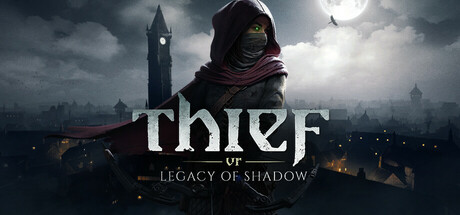
The Thief franchise returns today, December 4, with an experience developed specifically for virtual reality. Thief VR: Legacy of Shadow is now available on Meta Quest, PlayStation VR2 and SteamVR, bringing the series’ patient, shadow-driven gameplay into a format built around physical interaction.
Developed by Maze Theory and published by Vertigo Games, with collaboration from Eidos-Montréal, the adventure casts players as Magpie, a thief navigating the oppressive streets of a city ruled by Baron Ulysses Northcrest.
The launch puts a familiar idea to the test: stealth should feel especially compelling when players are not merely watching a character hide but are physically searching dark corners, handling tools and trying not to be noticed.
Sneaking through The City
Thief VR takes place in The City, a setting of guarded rooftops, narrow passages and interiors full of secrets. Magpie survives through theft before uncovering a mystery involving a valuable artifact and the larger forces controlling the city.
The atmosphere is designed around secrecy and observation. The player must notice patrols, choose routes and decide how to approach guarded areas without attracting attention.
That creates a very different rhythm from a typical VR shooter. Success is not always measured by how quickly an opponent can be eliminated. Sometimes the best outcome is reaching an objective without anyone realizing the player was there.
The game’s location and themes connect it to the established Thief identity, while Magpie provides a fresh point of view rather than simply reenacting one of the original computer games.
Locks, pockets and other physical tasks
The main attraction is the opportunity to interact with the environment using tracked hands. Vertigo describes mechanics including pickpocketing, lock manipulation, opening compartments, archery and climbing.
These are attractive features for VR because they can make a small action feel consequential. Removing an item from a pocket has more tension when a guard is standing nearby and the player’s hand must move carefully.
The same applies to picking a lock or opening a hidden compartment. Instead of selecting a button labeled “interact,” the player performs an action that resembles the activity inside the fictional world.
But convincing physical mechanics have to be reliable. A game can quickly undermine the feeling of stealth if a hand unexpectedly clips through an object or a tool does not respond as expected.
The launch footage and developer descriptions establish the design intent. Players will now be able to assess how consistently those interactions work over the full adventure.
Archery and options for dealing with guards
Thief has historically offered more than one way through an encounter, and the VR entry carries that philosophy into its toolset. Arrows and specialized equipment allow players to distract, disable or confront threats depending on the situation.
Environmental design is especially important here. A stealth game needs readable patrol behavior and enough information for the player to plan. VR can heighten the tension of a guard approaching, but it also needs to communicate when the player is visible or making noise.
Multiple routes can make a mission more interesting because they reward attention rather than reflexes alone. An accessible rooftop path, a concealed doorway or a useful distraction may turn a difficult area into a satisfying puzzle.
Whether the adventure consistently supports different playstyles will be one of its most important measures of success.
The original games cast a long shadow
Thief’s legacy extends back to 1998, when its focus on light, sound and avoidance helped shape modern stealth games. Bringing the name into virtual reality is more than a visual update: it asks the developers to reinterpret the genre’s core ideas through physical presence.
The opportunity is considerable. A headset can turn an ordinary corridor into a tense space where small sounds and gestures matter. Dark interiors and environmental audio can make a player feel surrounded by risk.
The challenge is to preserve agency. VR’s impressive sense of place means little if every mission pushes the player along a single path or if interaction systems repeatedly break immersion.
Maze Theory’s approach draws on established franchise themes while giving the protagonist and adventure a new identity.
Three platforms at launch
The release reaches several major hardware ecosystems simultaneously. Quest users can play on standalone devices, PlayStation VR2 users can experience the adventure on PS5, and SteamVR supports PC-connected headsets.
These platforms have different processing capacities and tracking environments. Buyers should verify their specific headset compatibility and expect that image quality or performance may differ across versions.
A shared launch is helpful for word of mouth. Players on different headsets can discuss the same new release, even though they are not necessarily playing identical technical builds.
It also provides the publisher with a larger audience than a single-platform exclusive would have offered.
Stealth’s opportunity in virtual reality
VR is often associated with frantic action, rhythm games and spectacle, but the medium is equally suited to quiet concentration. Waiting for a guard to pass or carefully reaching into a guarded room can produce immersion through restraint rather than speed.
Thief VR’s December release is therefore an interesting experiment in what makes a classic game genre effective in a headset. Familiar stealth ideas are being tested with a different kind of interaction.
The launch does not by itself establish that every design goal has been achieved. It does mean players can finally judge the complete experience, instead of drawing conclusions from trailers and demonstrations.
For fans of immersive stealth, Legacy of Shadow offers a new trip into The City and a new way to inhabit the role of a thief. Its long-term reputation will depend on whether the atmosphere and tactile mechanics remain rewarding from the first stolen item to the final escape.
Related coverage on Virtual Reality Times
- Thief VR: Legacy of Shadow Sets December 4 Release With New Quest and PS VR2 Gameplay
- Marvel’s Deadpool VR Launches on Quest 3 With Neil Patrick Harris and Chaotic Combat
- British Gangster TV Series Peaky Blinders Gets a VR Adaptation
- Vertigo Games Acquires Arcade Software Company SpringboardVR
- What Does the PSVR Version of Hitman 3 Look Like?
Sources
https://virtualrealitytimes.com/2025/12/04/thief-vr-legacy-of-shadow-arrives-on-quest-ps-vr2-and-steamvr-with-hands-on-stealth/https://virtualrealitytimes.com/wp-content/uploads/2025/12/thief-vr-launch-2025-12-04.jpghttps://virtualrealitytimes.com/wp-content/uploads/2025/12/thief-vr-launch-2025-12-04-150x90.jpgGamingPSVRSteamVRMaze Theory,Meta Quest stealth,PS VR2 December 2025,Thief Legacy of Shadow,Thief VR launchThe Thief franchise returns today, December 4, with an experience developed specifically for virtual reality. Thief VR: Legacy of Shadow is now available on Meta Quest, PlayStation VR2 and SteamVR, bringing the series' patient, shadow-driven gameplay into a format built around physical interaction. Developed by Maze Theory and published by...Virtual Reality Times [email protected]SubscriberVirtual Reality Times
Leave a Reply