
Memory Shortage Forces Valve to Revisit Steam Frame Pricing and Launch Timing
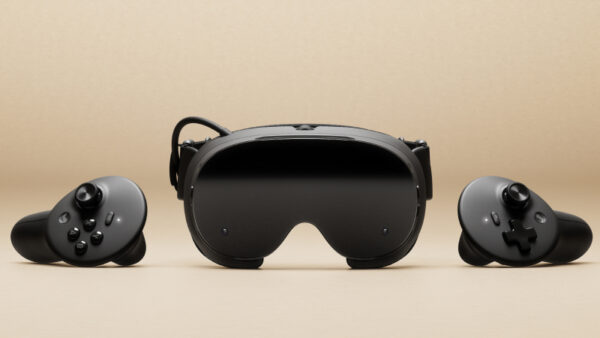
People waiting for a price on Valve‘s Steam Frame headset will have to wait longer. In a post on Steam on Wednesday, Valve said the global shortage of memory and storage chips has pushed it to reconsider both the shipping schedule and the pricing of its new hardware, with the Steam Frame and Steam Machine named as the products most affected.
It is the first time Valve has publicly signaled that its plans for the headset, announced in November, are under pressure.
What Valve said
The post, titled “Steam Hardware: Launch timing and other FAQs,” explained that Valve had originally expected to share concrete prices and release dates by now. “When we announced these products in November, we planned on being able to share specific pricing and launch dates by now,” the company wrote, according to Road to VR. It added that the memory and storage shortages “have rapidly increased since then.”
As a result, Valve said it must revisit its “exact shipping schedule and pricing,” especially for Steam Machine and Steam Frame. The company was careful not to call this a delay. It said its goal of shipping all three new products, Steam Frame, Steam Machine and the new Steam Controller, in the first half of the year has not changed. But it also said it still has work to do before it can commit to prices and dates.
Valve did not give a new timeline for announcing those details.
Why memory prices matter for a headset
The problem is not unique to Valve. Prices for DRAM and flash storage have climbed sharply over recent months as chipmakers prioritize high margin memory for AI data centers. Road to VR, citing PCPartPicker data, reported that DDR5 RAM prices have risen by around 300 percent.
That matters a great deal for a device like Steam Frame. The headset is a standalone computer in its own right, built around a Qualcomm Snapdragon 8 Gen 3 chip with 16GB of LPDDR5X memory and either 256GB or 1TB of UFS storage. Memory and storage are among the more expensive parts of a device like this, and a hardware maker shipping far fewer units than the big phone brands has less leverage when component prices spike.
The Steam Machine, a compact gaming PC, faces the same pressure, with even more memory and storage inside. The Steam Controller, which contains far less of either, is less exposed.
What was promised in November
Valve revealed Steam Frame on November 12 alongside the new Steam Machine and Steam Controller. At the time it said all three would ship in early 2026.
The headset is designed to work both as a standalone device running SteamOS and as a wireless PC VR headset. It uses dual 2160 by 2160 LCD panels and eye tracking that drives what Valve calls foveated streaming: when streaming from a PC, the headset sends the highest detail to the part of the image the wearer is looking at. Valve also includes a dedicated wireless adapter for the PC connection.
On price, Valve did not commit to a number. UploadVR reported that in November Valve said it was aiming to price Steam Frame below the $1,000 full kit for its previous headset, the Valve Index. Valve told Road to VR at the time that the Frame would be cheaper than Index, but gave no further detail. Wednesday’s post does not repeat that target, and it does not rule it out either.
What remains uncertain
The uncertainty now runs on two tracks.
The first is price. If Valve absorbs higher component costs, it may still hit a price below the Index, but with thinner margins. If it passes those costs on, the headset could land closer to or above that level. Without a figure from Valve, any number in circulation is guesswork. Several unofficial estimates for the Steam Machine have appeared online, including what may be leaked retailer listings, but none has been confirmed by Valve, and none covers the headset.
The second is timing. Valve’s stated goal is still the first half of 2026, which leaves until the end of June. The company’s wording suggests that window is a target rather than a promise, and the post makes clear that the final schedule depends on supply conditions Valve does not control.
What to expect next
For VR players, Steam Frame remains one of the most anticipated headsets of the year. It is the first new VR headset from Valve since the Index in 2019, and it arrives at a time when Meta, the largest player in the market, is cutting back on first-party VR content. A well priced Frame would give PC VR enthusiasts a direct alternative from the company that runs the biggest PC games store.
That makes the price decision especially important. A headset that ends up significantly more expensive than expected would struggle to reach beyond the enthusiast audience that bought the Index.
Valve said it will share more once it has firm details. Until then, the best reading of Wednesday’s post is that the products are still coming, the plan for the first half of the year is still in place, and neither the price nor the date is settled.
Related coverage on Virtual Reality Times
- Valve Prices Steam Frame at $1,059, Includes Standalone Half-Life: Alyx
- Valve’s Steam Frame Verified Standard Now Allows 72 FPS for Native VR Games
- Valve Job Listing Confirms a New Virtual Reality Headset
- Valve Patent Filing Shows It is Working on a New Wireless Headset
- Valve Index Replacement Parts to be Officially Sold via iFixit
Sources
https://virtualrealitytimes.com/2026/02/05/memory-shortage-forces-valve-to-revisit-steam-frame-pricing-and-launch-timing/https://virtualrealitytimes.com/wp-content/uploads/2026/08/steam-frame-verified-2026-08-07-600x338.jpghttps://virtualrealitytimes.com/wp-content/uploads/2026/08/steam-frame-verified-2026-08-07-150x90.jpgHardwareHTC-ValveVR Headsetsmemory shortage,PC VR,Steam Frame,Steam Machine,valvePeople waiting for a price on Valve's Steam Frame headset will have to wait longer. In a post on Steam on Wednesday, Valve said the global shortage of memory and storage chips has pushed it to reconsider both the shipping schedule and the pricing of its new hardware, with...Virtual Reality Times [email protected]SubscriberVirtual Reality Times
Leave a Reply