
Reach Launches on Quest, PS VR2 and SteamVR With Full-Body Action Built for VR
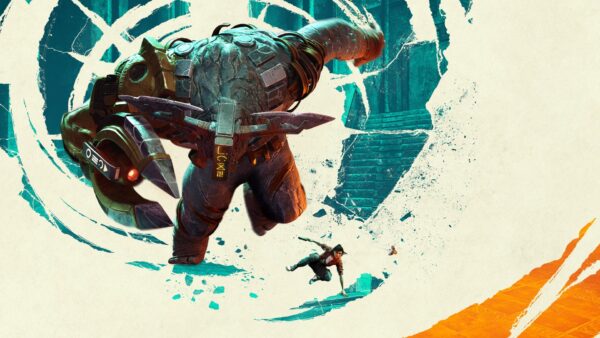
Reach, an original action adventure from nDreams Elevation, is available today, October 16, on Meta Quest, PlayStation VR2 and SteamVR. The release is notable for its commitment to movement and physical interaction, rather than treating virtual reality as a conventional action game viewed through a headset.
Players take the role of Rosa, a reluctant hero navigating a strange world filled with hostile creatures, precarious environments and mysteries. The adventure promises climbing, jumping, zip-lining and combat systems in which hand placement and physical movement play meaningful roles.
It is a substantial test for one of VR gaming’s persistent ambitions: making an adventure feel as though the player inhabits its action, not simply directs a character from a distance.
Movement is the central attraction
Much of the release’s appeal comes from traversal. Reach gives players tools to navigate vertically and cross spaces using movements intended to feel natural within its fictional environment.
That sounds simple until a developer has to design it. An ordinary game can let a character leap enormous gaps through a button press and an animation. In VR, the player’s hands, head and sense of balance introduce additional expectations. Gestures that do not match what the virtual character appears to do can weaken the illusion of presence.
nDreams has emphasized full-body awareness, physics-supported interactions and gesture-driven navigation. Those elements are intended to make the player feel connected to the surroundings and provide more varied movement than standard corridor exploration.
There is an important distinction between physicality and literal realism. An enjoyable VR adventure may exaggerate jumping distances or simplify grip mechanics to keep motion satisfying. What matters is whether actions feel coherent and predictable once the player learns the controls.
Combat draws on the same philosophy
The game also includes encounters with creatures and other threats. nDreams describes combat as fluid and responsive, with opportunities to use different tools and respond to environmental conditions.
In a VR title, combat depends heavily on feedback. A swing or thrown object needs to produce an understandable reaction. Enemies must be readable from the player’s perspective, and interactions need to work even when the user makes an unexpected movement.
That creates design opportunities but also considerable technical complexity. An action game made for flat screens can rely on fixed animations and camera framing; a physically interactive game has to accommodate a wider range of behavior.
The promises are compelling, but it would be premature on launch day to assume that every system performs equally well across platforms. Detailed judgments require sustained play through the finished adventure.
One original adventure, three headset ecosystems
Launching on Quest, PS VR2 and SteamVR gives Reach access to several distinct audiences. Quest offers a standalone environment, PlayStation VR2 brings the title to PS5 owners, and SteamVR reaches PC headset users.
That broad release is valuable for discoverability, but it is also demanding. Different headsets present different input capabilities, rendering budgets and comfort expectations.
Developers must decide where to preserve identical interactions and where to adapt presentation for each device. Players should not automatically assume that a common release date means every version has matching graphics or performance.
nDreams has not made the VR market’s fragmentation disappear. What it has done is make this particular original property accessible across a wider group of active VR systems.
Why original VR adventures matter
Much of the conversation about immersive gaming focuses on bringing established brands into headsets. That approach has clear appeal, because players already recognize the settings and characters.
Reach takes a different route. It attempts to create a world and set of interactions that make sense specifically in virtual reality, then asks the audience to become invested in a new protagonist and setting.
The distinction matters artistically. When a game is conceived around hand movement, scale and physical presence, designers can make those features essential to the adventure instead of retrofitting them afterward.
But original properties carry a marketing disadvantage: potential customers cannot rely on franchise familiarity. Gameplay footage must explain the experience clearly enough to turn curiosity into a purchase.
Reach’s autumn debut follows months of trailers and demonstrations emphasizing spectacle. The release itself is where those promises become testable.
The comfort question remains important
Frequent climbing, jumping and fast changes in viewpoint can be exciting for experienced VR players, but they can also present a barrier for newcomers. Even well-designed movement systems need clear settings, explanations and predictable responses.
The ideal outcome is an experience that rewards physical play without demanding that every user move in exactly the same way. People have different mobility, play spaces and tolerance for virtual locomotion.
The value of the game’s movement design will therefore depend partly on whether its ambitions remain enjoyable across long sessions, not only in individual action sequences.
A notable release for the autumn calendar
Reach arrives at an important moment for immersive software. VR needs recognizable hits, but it also needs ambitious original games that show what the medium can do differently.
Its cross-platform release, physical interaction systems and new setting make it a noteworthy addition to the 2025 lineup. Whether it becomes a lasting success will depend on the finished campaign’s pacing, interaction quality and reception from players.
For now, the central news is that the experiment is no longer just a preview. Reach is available today, giving Quest, PlayStation VR2 and PC VR users the opportunity to decide whether nDreams’ vision of a more physically expressive action adventure delivers.
Related coverage on Virtual Reality Times
- nDreams Sets October 16 Release for Reach, Its Ambitious VR Action Adventure
- Thief VR: Legacy of Shadow Arrives on Quest, PS VR2 and SteamVR With Hands-On Stealth
- nDreams Acquires Long-Term Dev Partner Near Light
- VR Studio nDreams in a New Expansion Drive
- nDreams Releases Gunner Demo for Samsung Gear VR
Sources
https://virtualrealitytimes.com/2025/10/16/reach-launches-on-quest-ps-vr2-and-steamvr-with-full-body-action-built-for-vr/https://virtualrealitytimes.com/wp-content/uploads/2025/08/reach-vr-2025-08-20-600x338.jpghttps://virtualrealitytimes.com/wp-content/uploads/2025/08/reach-vr-2025-08-20-150x90.jpgAdventureGamingPSVRnDreams,PlayStation VR2,Quest 3 games,Reach VR launch,VR action adventureReach, an original action adventure from nDreams Elevation, is available today, October 16, on Meta Quest, PlayStation VR2 and SteamVR. The release is notable for its commitment to movement and physical interaction, rather than treating virtual reality as a conventional action game viewed through a headset. Players take the role...Virtual Reality Times [email protected]SubscriberVirtual Reality Times
Leave a Reply