
Samsung Launches $1,799 Galaxy XR, the First Headset Built on Android XR
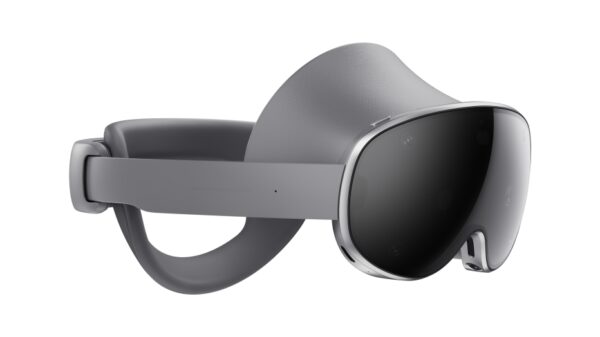
Samsung has officially entered the premium mixed-reality headset market with Galaxy XR, the first headset built on Android XR, a platform developed with Google and Qualcomm. Announced October 21, the device is priced at $1,799.99 in the United States, with US sales opening the same day.
The launch adds a third major approach to high-end spatial computing alongside Apple’s Vision Pro ecosystem and Meta’s Quest platform. Samsung is combining its display and hardware experience with Google’s applications and the Gemini assistant, which is integrated into the operating system.
Galaxy XR is intended for entertainment, productivity, exploration and immersive applications. Its significance is larger than one product: Android XR is designed to support a range of future device types, including smart glasses.
The first Android XR headset is a premium device
Galaxy XR features micro-OLED displays with a combined total of roughly 27 million pixels, according to Samsung. It uses Qualcomm’s Snapdragon XR2+ Gen 2 platform and offers 16GB of memory and 256GB of storage.
The display resolution is 3,552 by 3,840 pixels per eye. Samsung lists a refresh rate of up to 90Hz, along with a field of view of approximately 109 degrees horizontally and 100 degrees vertically.
These specifications position Galaxy XR above entry-level standalone headsets in pixel density and price. However, hardware numbers alone do not establish image quality. Lens design, processing, fit and software optimization also affect what people actually see.
The headset uses eye and hand tracking, multiple external cameras and a separate battery pack. Samsung says the battery supports up to two hours of general use or two and a half hours of video playback, depending on conditions.
That external battery helps redistribute weight away from the head, but it also adds another piece of hardware to manage.
Gemini is part of the operating system
Samsung and Google are placing AI at the center of the experience. Gemini can respond to voice requests while taking account of information from the headset’s cameras and the user’s current task.
In a demonstration scenario, a wearer could ask for information about what is visible through passthrough or request assistance while exploring a digital environment. Samsung highlights uses ranging from immersive Maps exploration to finding content on YouTube and searching for real-world objects through Circle to Search.
This is different from adding a voice chatbot as a standalone application. Android XR aims to make the assistant available across the interface, though how consistently it performs will depend on software design, permissions and supported applications.
There are limits to what an AI assistant should do automatically, particularly when camera access and personal surroundings are involved. Clear user control remains important if the device is to function as an everyday computing platform.
Android applications and immersive software
Samsung says standard Android apps can run on Galaxy XR, which could give customers access to familiar software while developers create specialized spatial experiences. The platform also supports industry standards including OpenXR, intended to make it easier to bring immersive content to the device.
This does not mean every ordinary Android app suddenly gains sophisticated 3D controls. A phone application displayed in a floating window remains different from software designed around depth, gesture and environmental awareness.
Still, compatibility can help a new platform avoid the familiar problem of launching with too few useful applications. People may find value in a large screen for existing media before discovering more specialized XR experiences.
Samsung is promoting a range of optimized experiences, including immersive entertainment, multiple virtual windows and applications for work and creative production.
The price is between Quest and Vision Pro
At $1,799.99, Galaxy XR is a substantial investment, but it enters below the $3,499 starting price of Apple’s newly refreshed Vision Pro. Meta’s Quest headsets address a different, generally lower-priced part of the market.
Customers should also pay attention to accessories. Samsung lists the Galaxy XR controllers and travel case as separate purchases, each priced at $249.99. The base headset price therefore does not necessarily represent the cost of every desired setup.
Samsung is offering an introductory benefits package for eligible purchases made before the end of 2025. Such offers may help customers explore the platform, but subscriptions and bundled trials are not substitutes for a sustainable library of compelling applications.
What the launch means for developers
For developers, Android XR introduces another target but potentially a broader shared platform. Tools and standards are intended to reduce the work needed to adapt applications across compatible devices.
The critical question will be how quickly the platform attracts distinctive software. Productivity tools, educational simulations and entertainment can all benefit from spatial presentation, but developers need an audience large enough to justify investment.
Google and Samsung also intend Android XR to expand into future eyewear designs. Those products remain plans rather than additional headsets available today.
A new competitor, with questions still open
Galaxy XR’s arrival turns a partnership announced in principle into a device customers can buy. Its display hardware is impressive, Gemini integration is central to its identity, and Android compatibility gives it an important starting point.
But premium headsets face a consistent challenge: they need to become comfortable, useful and interesting enough to justify repeated wear. Specifications and launch bundles cannot answer that on their own.
The launch gives consumers a new choice and developers a new platform to assess. Whether Android XR becomes a major force in spatial computing will depend on what happens after the first sales, when software quality and daily usability matter more than announcement-day specifications.
Related coverage on Virtual Reality Times
- Google Adds PC Connect, Likeness Avatars and Travel Mode to Galaxy XR at Android XR Show
- Apple Upgrades Vision Pro With M5 Chip and New Dual Knit Band, Keeps $3,499 Starting Price
- Google Hints Samsung’s AR/VR Headset Could Be Revealed ‘Later This Year’
- Samsung to Build Its own Metaverse Hardware in Partnership with Google and Qualcomm
- Samsung Expected to Launch a Mixed Reality Headset in 2023
Sources
https://virtualrealitytimes.com/2025/10/21/samsung-launches-1799-galaxy-xr-the-first-headset-built-on-android-xr/https://virtualrealitytimes.com/wp-content/uploads/2025/10/samsung-galaxy-xr-2025-10-21-600x337.jpghttps://virtualrealitytimes.com/wp-content/uploads/2025/10/samsung-galaxy-xr-2025-10-21-150x90.jpgGoogleMixed RealityVR HeadsetsAndroid XR headset,Gemini AI,mixed reality 2025,Samsung Galaxy XR,Samsung VR headsetSamsung has officially entered the premium mixed-reality headset market with Galaxy XR, the first headset built on Android XR, a platform developed with Google and Qualcomm. Announced October 21, the device is priced at $1,799.99 in the United States, with US sales opening the same day. The launch adds a...Virtual Reality Times [email protected]SubscriberVirtual Reality Times
Leave a Reply